
Ecosystem
Trees & Environments
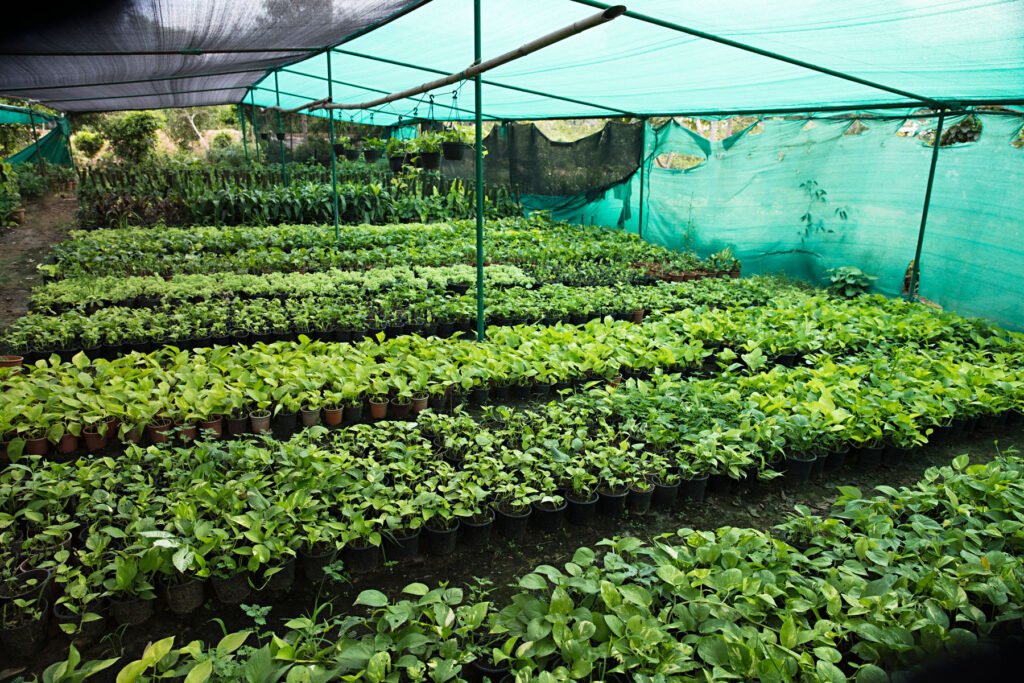
Ecosystem
Trees & Environments
India has highly diverse ecosystems, including deserts, mountains, and forests, with several major forest types that support unique flora and fauna. Significant native trees like Teak, Sal, and Peepal are important, but the environment faces threats from development, climate change, and deforestation, even as forest cover has increased overall. India is a major global carbon sink, and conservation efforts like planting over 4.5 billion trees between 2021 and 2025 are on-going.
- Diverse biomes: India hosts a wide range of ecosystems, including deserts, high mountains, tropical and temperate forests, grasslands, and wetlands.
- Biodiversity hotspots: It is recognized as a mega-bio diverse region with three key hotspots: the Himalayas, the Western Ghats, and the Indo-Burma region.
- Main forest types: These include tropical evergreen, tropical deciduous, sub-tropical, montane, and mangrove forests, among others.

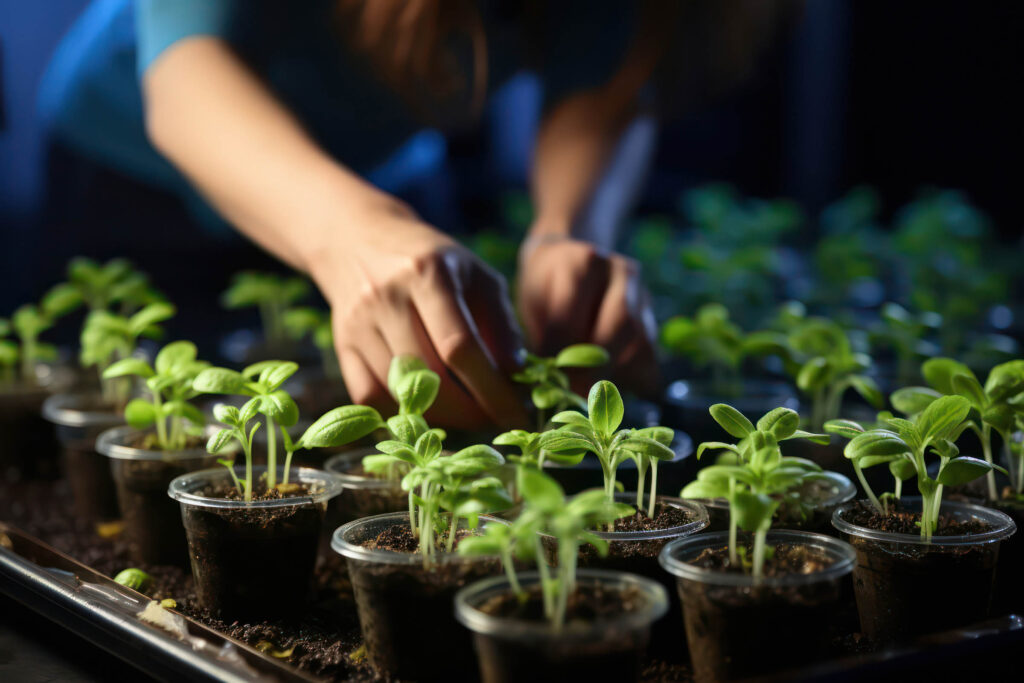
- Important native trees: Some key native trees important for their role in the environment include Indian Teak, Peepal, and Sal.
- Carbon sinks: India is a major global carbon sink, with its forests removing a significant amount of CO₂ annually.
- Threats to trees: Despite overall forest cover gains, India faces threats to its tree population from deforestation, urbanization (like road widening projects), and other development pressures. A recent study noted a concerning decline in large farmland trees between 2018 and 2022, notes Mongabay-India.
Our Conservation & The Environment
- Forest cover: India has moved up to 9th globally in terms of total forest area, and continues to be 3rd worldwide in terms of net annual forest area gain.
- Our Conservation efforts: Care india Over 2 million trees were planted between 2018 and 2025 as part of conservation efforts.
- Challenges: Critics argue that despite increases in forest cover, underlying issues like forest health, management, and protection from development pressures need more attention.

Yes, trees are very good for pollution control in India because they absorb pollutants like carbon dioxide, sulphur dioxide, and nitrogen dioxide, and filter particulate matter from the air. Studies have identified certain native species, such as Peepal, Neem, and Mango, as being particularly effective at tolerating and combating air pollution in the Indian context. Large-scale tree planting initiatives are a crucial part of India’s strategy to combat air pollution and achieve its climate goals.
How trees help control pollution
- Absorb pollutants: Trees take in harmful gases like carbon dioxide (CO2), carbon monoxide (CO), sulphur dioxide (SO2), and nitrogen dioxide (NO2) through their leaves.
- Filter particulate matter: The leaves and branches of trees act as a natural filter, trapping particulate matter from the air. This is then washed to the ground when it rains.
- Release oxygen: Through the process of photosynthesis, trees release oxygen, which is essential for human health and helps to create cleaner air.
- Peepal (Ficus religiosa): Found to be highly effective in areas with high levels of air pollution.
- Neem (Azadirachta indica): Known for its high tolerance to pollution and ability to withstand adverse effects, with studies conducted even in high-pollution areas of Delhi showing its role in filtering pollutants.
- Mango (Mangifera indica): A suitable tree for combating air pollution in Indian cities.
- Banyan (Ficus benghalensis): Identified as a tree that can help combat dust and air pollution.
- Shisham (Dalbergia sissoo): Found to be a highly tolerant deciduous tree species.
- Combating climate change: Trees, especially fast-growing ones like teak, help sequester large amounts of carbon dioxide, which is vital for meeting India’s net-zero goals.
- Improving public health: By reducing air pollutants and improving overall air quality, trees can lower the risk of respiratory diseases.
- Sustainable solutions: Afforestation projects, agroforestry, and methods like the Miyawaki method are critical components of India’s approach to long-term environmental sustainability and pollution control.