
Livelihood
Empowerment & Agriculture Growth
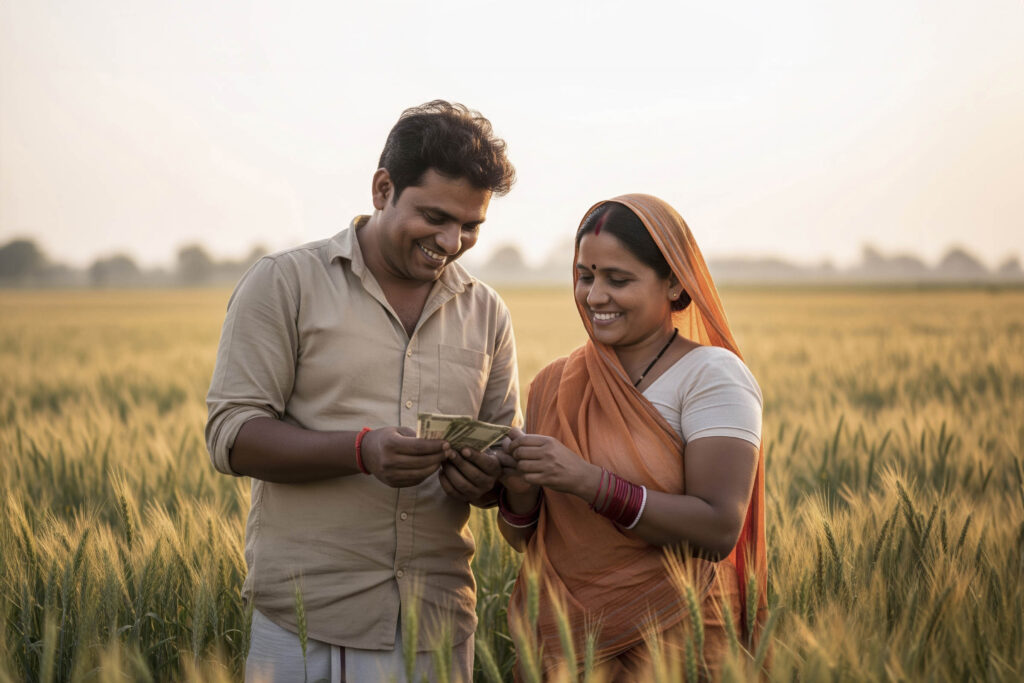
Women’s livelihood empowerment is the process of providing women with the skills, training, resources, and opportunities to achieve financial independence and contribute to their families and communities. This includes skill development in both traditional and non-traditional fields, improving access to education and technology, and organizing women into professional groups to increase their bargaining power. Effective programs support women in entrepreneurship, agriculture, and various vocations, ultimately fostering stronger communities and a more equal society.
Key components of women's livelihood empowerment
- Skill development: Providing training in both traditional crafts and non-traditional skills like technical trades can open new employment avenues.
- Economic and financial support: This includes access to micro-financing, help with marketing products, and establishing linkages with corporate markets and consumers.
- Educational and technological access: Initiatives like Digital India help women use digital platforms for marketing and financial transactions.
- Community and organizational support: Organizing women into groups like Self-Help Groups (SHGs) enhances their collective bargaining power and governance abilities.
- Policy and rights advocacy: Programs should also work with governments to create and implement policies that promote equal rights, opportunities, and participation for women.
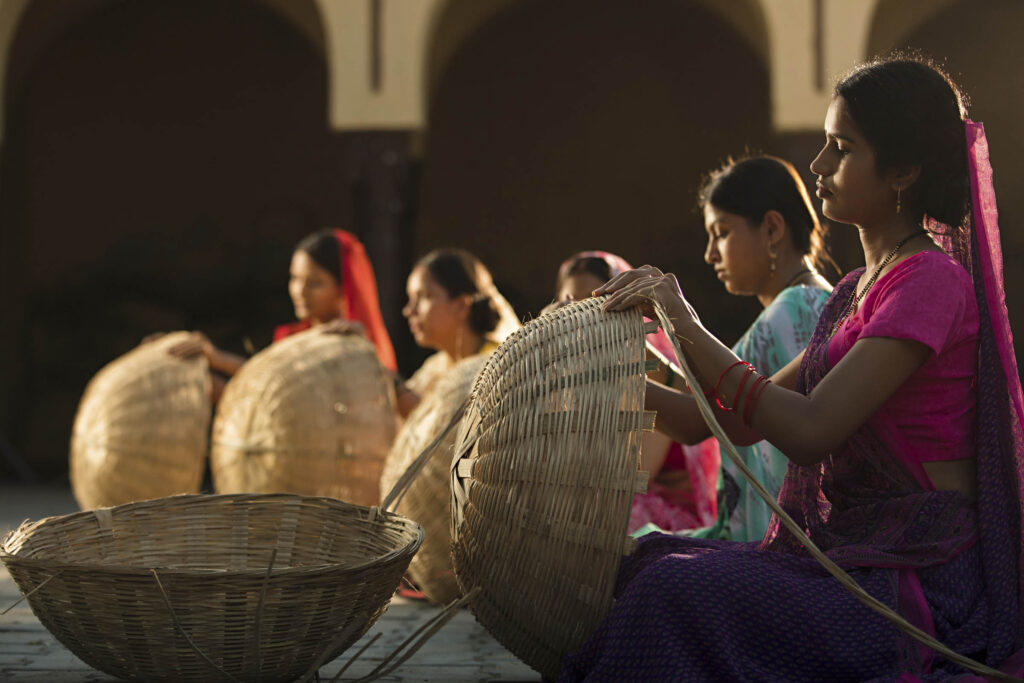
Impacts of women's livelihood empowerment
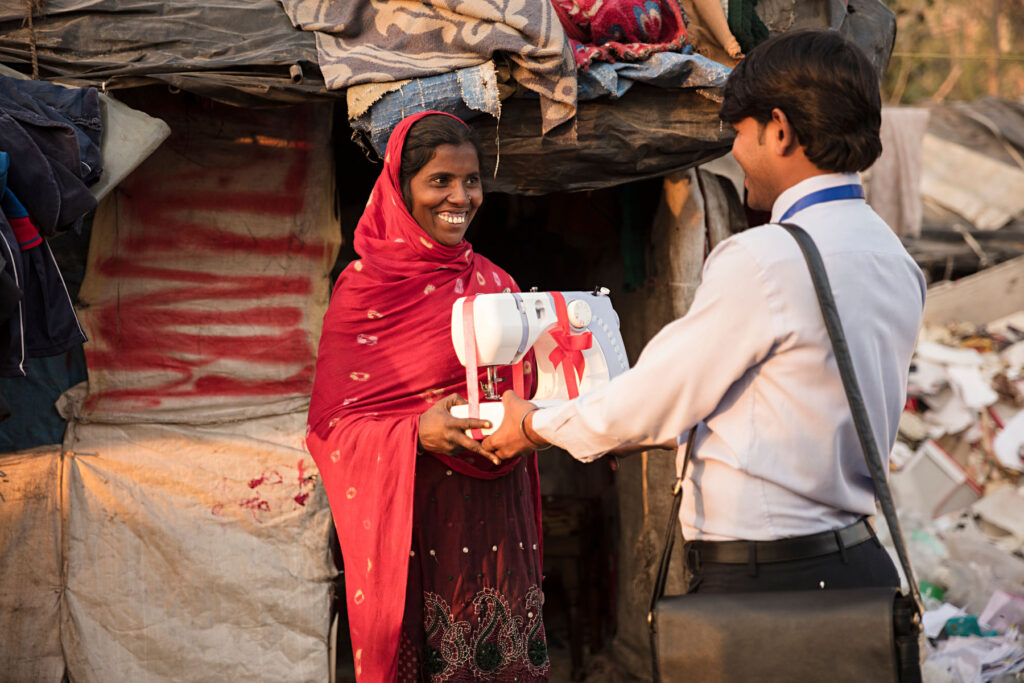
- Financial independence: It allows women to earn income and support their families, moving them out of cycles of exploitation and dependency.
- Community development: Empowered women contribute to economic growth and community development, making better decisions for themselves and their families.
- Improved well-being: Livelihood support programs can positively impact mental health by increasing self-reported happiness and reducing stress.
- Greater participation: Empowerment gives women more confidence to participate in and voice their opinions on community affairs and policy-making.
Livelihood Agricultural Growth
Our village farmer’s is base of Agricultural growth in India is crucial for livelihood, with the sector supporting about 46% of the population and contributing significantly to the GDP. Recent growth has been robust, averaging around 5% annually between FY17 and FY23, driven by government initiatives, improved practices, and record production in areas like food grains and horticulture. However, challenges like water scarcity, land fragmentation, and market access persist, requiring solutions like efficient water management, technology adoption, and enhanced private sector investment to ensure continued livelihood growth.
Growth and impact on livelihoods
- Economic Contribution: The agriculture and allied activities sector contributes around 16% to India’s GDP, highlighting its economic importance.
- Employment: It remains the largest source of livelihood, with approximately 46% of the total workforce engaged in agriculture and allied sectors.
- Recent Performance: The sector showed robust growth, averaging 5% annually from FY17 to FY23. Growth for FY25 was 5.4%, supported by record production and higher trade volumes.
- Production: India has achieved record foodgrain production, with output projected to reach a new high in 2024-25. Horticulture output has also grown significantly.
Key challenges
- Water Dependency: Continued reliance on the monsoon makes agriculture vulnerable to weather fluctuations.
- Resource Constraints: Issues like decreasing land holdings and imbalanced soil nutrient use affect productivity.
- Technology and Credit: Uneven access to modern technology and formal credit facilities hinders development in some areas.
- Market Access: Ensuring remunerative prices for farmers and improving market efficiency remain key challenges.